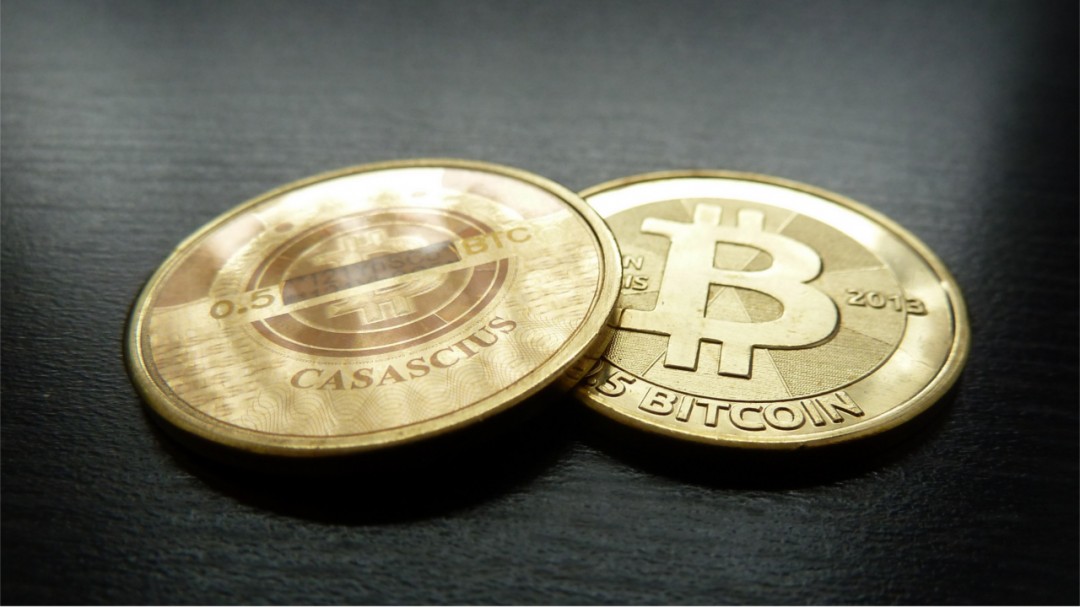
Following the collapse of two major banks handling the bitcoin currency last week, it has been reported that investors and entrepreneurs are calling for regulations on the currency, to enforce minimum standards to protect customers deposits and to also bring further legitimacy to the bitcoin digital currency.
Last week, the two major Bitcoin banks were hacked and robbed of a sum total of around 850,896 Bitcoins, which is worth just under $567 million / £340 million. Last Sunday saw to the Canadian Bitcoin bank Flexcon being robbed of all its Bitcoins stored on its site, due to flaws in the bank’s software. As a consequence of this heist, Flexcon will be folding immediately, as it does not have the resources to come back from this loss.
“As Flexcoin does not have the resources, assets, or otherwise to come back from this loss, we are closing our doors immediately,” the company announced in a statement.
Flexcon follows the heist of one of the world’s leading Bitcoin exchanges, Mt Gox, a Tokyo-based company, that happened last Friday. The company has since filed for bankruptcy protection and has admitted that around 850,ooo Bitcoins were stolen due to hacking. These two incidents, in the eyes of some people, have warranted that regulations be placed on the Bitcoin currency. The director of the UK Digital Currency Association, Tom Robinson, warned that, “regulation is needed, both to protect consumers but also to bring legitimacy to digital currencies.”
However, he continues on to say that heavy-handed regulation of Bitcoin will stifle innovation regarding to the digital currency, and that risks need to be weighed against the potential benefits the Botcoin currency can bring: “The danger is that heavy-handed regulation stifles innovation in this sector – the risks need to be weighed up against the huge potential benefits the technology brings.” A London-based Bitcoin trader by the name of Kolin Burges, who lost around around £200,000 worth of Bitcoins during Mt Gox’s heist, wants more done to protect investors using the currency.
“There should be a degree of enforced regulation to ensure some minimum standards of protection of customer cryptocurrency deposits,” he said. “This is a good opportunity for new exchange auditing businesses, which could certify the standards of individual exchanges. This could replace government regulation in countries who do not wish to regulate.”
The Bitcoin is a relatively recent phenomenon, introduced back in January, 2009. To this day, the digital currency remains largely unregulated, and it is bought and sold independently rather than through any sort of authority. Despite this being seen as an advantage, it leaves the currency open to abuse. As it still in its infancy, many problems have arisen regarding transactions and exchanges of the currency. It’s said that it is likely that more Bitcoin businesses will go under in the short-term due to hacking.
Source: Independent.co.uk.