
London Mayor Sadiq Khan declared that the city will “lead the world in esports,” adding his capital to a growing pile of identical pledges. The claim, made during a trade mission and originally reported by Esports Insider, joins a long list of politicians who have promised to turn their cities into the next esports hub. The problem: no one can agree on what that actually means, and the label has become a hollow buzzword. It’s the latest chapter in a tired script that has played out in dozens of cities worldwide.
The Never-Ending Esports Capital Contest
At this point, calling your city the “next esports capital” is about as meaningful as claiming to have the world’s best cup of coffee. Riyadh has spent billions hosting massive tournaments. Seoul built its reputation on decades of competitive infrastructure. Shanghai invested in dedicated arenas. Even smaller players like Katowice and Cologne carved out identities through legacy events. London’s announcement arrives without a concrete plan, no venue commitments, and no timeline. It’s a press-bait slogan, not a strategy. The pattern is familiar: a politician borrows the excitement of gaming, grabs a headline, and then the entire initiative quietly disappears until the next election cycle. The term has been so overused that it’s lost all credibility with actual competitors and event organizers. For more context, GamerHeadlines has also covered Call of Duty: Strike Team will be Dissolved by the End of this Month Esports News Call of Duty.
Why Promises Fall Flat
What cities like London consistently ignore is that esports ecosystems aren’t built by press releases. They require grassroots support, affordable venues, a healthy mix of local tournaments, and talent development pathways. Major international events can boost a city’s profile, but they rarely create lasting communities unless the foundation exists. Without dedicated studio spaces, school programs, and consistent smaller-scale competitions, the “capital” title remains a costume worn for photo ops. London’s prohibitively expensive real estate and complex visa requirements already make it a tough sell for international tournaments and bootcamps, a reality that no amount of mayoral enthusiasm can erase. The result is a cycle of hype and disappointment that leaves the actual esports community rolling its eyes.
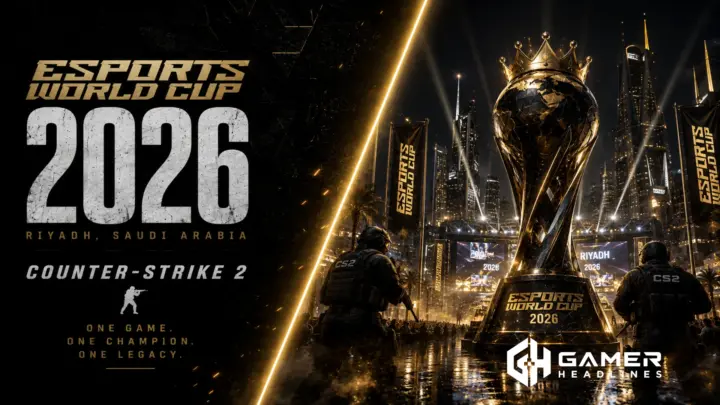
While London’s mayor was polishing the slogan, the Esports World Cup quietly announced a move to Paris for its 2026 edition, amid ongoing scrutiny over the event’s Saudi backing. That move is another reminder that event location decisions are driven by logistics and political alignment, not by who shouts loudest about ambition. London, a city with famously high costs and complex logistics, hasn’t demonstrated why a major circuit would choose it over cheaper, more accommodating rivals.
GamerHeadlines Takeaway
The esports capital title is a mirage that politicians love and players ignore. Real influence comes from the scenes that produce talent, host consistent events, and support teams and creators year-round—not from a single politician’s speech. If London truly wants to lead, it needs to show something beyond rhetoric. Until then, this is just another press cycle that will be forgotten by the next tournament weekend.