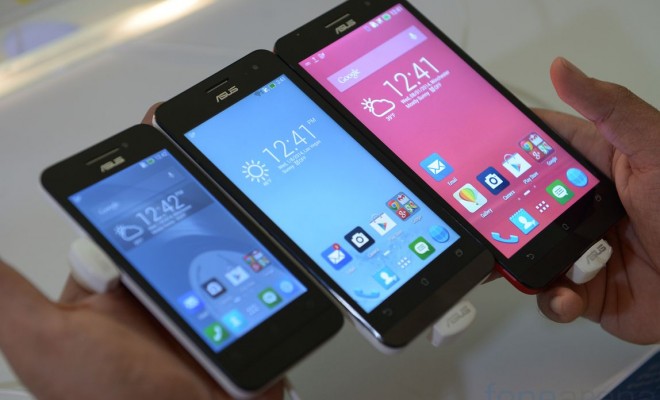
We are all aware that smartphones being produced are offered as high-end alternatives to the Android devices in which Samsung rules. The problem then is that these phones offered are highly overpriced.
The matter is not just the cost of manufacturing in the past that has been proven the problems, but trying to compete with big name companies that are a favorite with many customers. Lava and Asus offer a different approach to competing in the high-end market. The phones that Asus and Lava are offering are a different method to the segment for high-end smartphones. At a fraction of the price, they offer specifications on their phone that are similar to their high-end counterparts. The Lava Iris X1 and the Asus Zenphone 6 are the newest devices to hit the market.
Display
Looking to compete in the phablet market with Galaxy Note 4, the latest iPhone 6, and other devices are the new Zenphone 6. Zenphone 6 has a 6 inch display and is able to go further than the specifications of similar phones, however in the area of pixel density it seriously lags behind. The phone only has a pixel density of 245 PPI and a mere 720p display. The Galaxy Note 4 has an enormous QHD display; the Lava Iris X1 doesn’t compare in regards to the size of the display. The 4.5 inch screen on the IPS panel has a good real estate.
The pixel resolution has only offers 480 x 85; however, it lacks in detail when compared with the Zenphone 6. The Zenphone 6 uses the Corning Gorilla Glass 3 to protect the display, and the Iris X1 has to use screen guards.
Memory
The Lava X1 offers a lower sticker price which is evident in their lack of options for internal memory. The Android operating system takes up much of the space and only offers 8GB of internal memory storage. The phone does offer up to 32GB storage from external memory card slots, which helps to redeem the phone to some instances. A much larger display is offered on the Zenphone 6 which allows users to use it for better entertainment. The Zenphone 6 also offers more options for internal memory that run from 8GB to 32GB. Unlike the external memory card options from Iris X1, it offers a substantially better options of up to 64 GB.
Camera
Zenphone 6 offers a better camera than its counterpart that is due to its rear camera offering 13 megapixels and in the front offers two megapixels. The Lava X1, on the other hand, offers a rear camera with eight megapixels, and the front-facing sensor offers similar megapixels like the Zenphone 6. Both phones do not have capabilities of 4K video recording, but have the capabilities of recording full HD videos that make it up for it.
The Zenphone 6 uses a dual-core 2GHZ process, while the Iris X1 has a quad-core 1.2 GHz processor. The Zenphone 6 16 GB version is offered at $220 while the Lava Iris X1 has a $150 price tag.