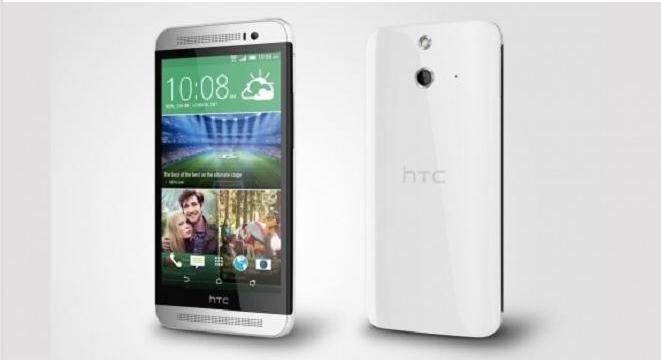
HTC is renowned for manufacturing only the most premium quality of smartphones which are extremely well designed.
One of the recent models of HTC, the M8 proves to be such a device. It features a metal body and is priced at a steep $700 mark. This smartphone, however, proved to be on the heavier side for many users and subsequently, the company has released the HTC One E8. Samsung has also recently launched a phone which features actual metal in the body, the Galaxy Alpha. The Alpha however proves to be very different when compared to the E8.
For starters, the devices were manufactured with different outlooks and pertaining to different audiences. The HTC device is targeted towards the competitive consumers, who want the best bang for their money spent. Samsung however, developed the Galaxy Alpha with the thought of adding a premium design model to its range of plastic body smartphones. The Galaxy Alpha still features quite some use of plastic in the body but the major contrast to prior models is the metal edge design. Earlier, Samsung devices would feature faux metal edges and the Galaxy Alpha sure manages to look and feel way more elegant than them. The Alpha is also one of the slimmest and lightest smartphones available in the market in the premium category, weighing in at 115 grams and measuring only 6.7 mm in thickness.
The HTC One E8 features a polycarbonate design throughout and weighs in at 145 grams. The added weight as compared to the Galaxy Alpha is primarily that of an additional speaker featured by the E8. The Galaxy Alpha has only one miniature speaker at the bottom of the phone. The E8 boasts stereo sound with two independent speakers on the top and bottom of the device.
In terms of screen size, the Galaxy Alpha measures 4.7 inches and provides for 720p resolution as opposed to the E8 which features a screen size of 5.1 inches and supports 1080p display.
The cameras of both the devices are very similar with the Galaxy at 12 MP and the E8 at 13 MP, but the Galaxy Alpha also supports recording of 2160p videos. The E8 only supports recording of 1080p.
Both the E8 and the Galaxy Alpha feature a 2.5 GHz quad core processor and run on the Android KitKat OS. However, Samsung has faced quite a lot of criticism with its Exynos range of processor chips. It is expected that the Alpha will feature a Qualcomm chip for such regions with complaints. The RAM capacity for both these smartphones stands at 2 GB. While the Galaxy Alpha offers 32 GB of internal storage space without external card support, the E8 features 16 GB of internal storage and also provides for expansion using micro-SD card up to 128 GB.
As these smartphones are aimed at different audiences, the retail prices of the two vary. The Galaxy Alpha will cost a user around $640 while the HTC One E8 can be bought for just $450. The Galaxy Alpha seems more likely aimed towards rivaling Apple’s newly launched iPhone 6.