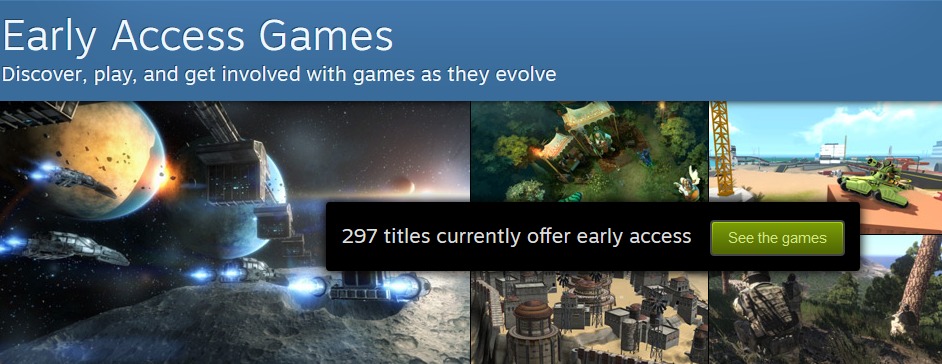
Crowdsourced games have become a popular way for indie developers to receive the funding necessary to develop their games. However, many projects that received a large portion of their funding through services such as Kickstarter and Steam’s Early Access have been under heavy scrutiny for a variety of factors, such as not being able to fulfill their promises and abandoning communication with backers or even abandoning the project. Backers are obviously not happy when this happens, and Valve isn’t either.
Valve does understand that developers may face hurdles that can cause major issues with their development or even cause the project to fail, so their main goal is to improve the transparency, consistency, and communication between developers and buyers. Main points of the changes to early access games policy include:
- Letting purchasers on Steam and on other venues know exactly what the current state of the game they’re purchasing is in.
- Because of the aforementioned hurdles, developers are asked to not make any promises, only on what they currently have available to sell.
- The Steam price of the game must be the lowest.
- Don’t launch in Early Access if they need the sales to continue development.
- Set proper expectations for the game everywhere (communicating any problems caused by future updates).
- The game must be playable, not just a tech demo, a gameplay video is a bare minimum.
- Early Access is meant so buyers can impact the game too, so don’t submit a finished game that requires bugtesting.
For more details about the changes, head over to the source at Giantbomb, where developers shared the policy changes in full, but don’t forget to comment here about your thoughts!
[source: Giantbomb]