
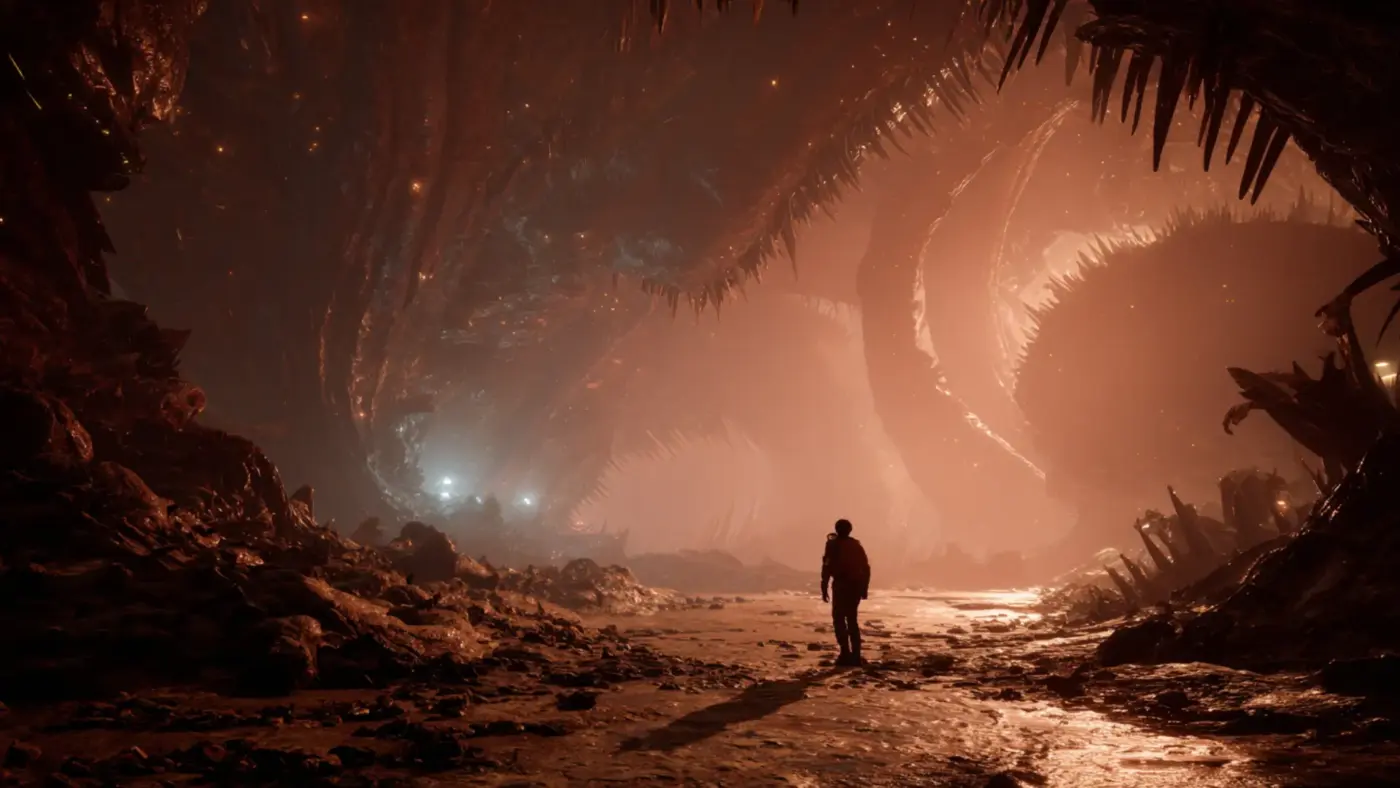
Nixxes has published a full breakdown of how it co-developed the five boss fights in Saros with Housemarque, naming all five “Overlords of Carcosa” and the rules every fight follows. The post on the PlayStation Blog, published October 23, 2026, carries a spoiler warning for the bosses and walks through the split between the two studios.
Saros is the product of a close collaboration between Housemarque and Nixxes, and the set-piece bosses were one part of it. Housemarque handled the creative vision, the world, combat language, visual concepts, boss concepts, VFX identity, and the studio’s signature bullet-hell DNA. Nixxes, the Sony-owned studio best known for porting PlayStation games to PC, took on the bosses’ animation, environments, lighting, technical design, boss behaviour, and attack implementation. Each fight began as a Housemarque briefing that set the vision, gameplay goals, and visual direction. Nixxes then pitched its take, built prototypes and a first playable, and refined the fight through iteration, playtesting, and polish until it shipped. Housemarque kept final review over the whole process. The close collaboration was needed from the start, because a staged boss fight touches animation, environments, and technical design at once. Working on the bosses gave the Nixxes content team a chance to collaborate closely with Housemarque on the fast, responsive, high-intensity action that defines the game.
Nixxes describes the bosses as “fully staged encounters, not just enemies with larger health bars.” Each one has its own arena and hazards. Every boss runs three distinct phases, each with its own identity that changes how the fight looks, feels, and plays. A typical fight lasts three to eight minutes, while Saros: Zenith runs a tighter arcade version. The pressure comes from boss behaviour, arena transformations, environmental hazards, bullets, beams, and physical attacks. The fights push the shield, jumping, parrying, and dashing, on the reasoning that a good attack should make a player “move with intent, not in panic.”
The studio also measures fairness with four questions it asks after every defeat. Does the player understand why they lost, know what to change next time, feel it was their own mistake rather than something unfair, and want to try again? Nixxes says the aim was to make each fight fair, thrilling, and worth trying again, and to create the most memorable moment for the player, a goal that matches the FromSoftware-inspired approach Housemarque has described for Saros.
The five Overlords of Carcosa
The Prophet, the game’s introductory wall boss and a first major test for players, appears early enough to teach what a Saros boss can be without becoming a major progression blocker. Nixxes wanted a fight that felt dramatic and threatening while still welcoming players into the structure of boss combat.
The Architect plays out atop a massive tower after earlier foreshadowing. The boss comes at the player with everything it has, destroying the environment as the fight unfolds and not quitting until the very end. The collapsing arena sits at the centre of the fight, and the grapple hook becomes the key to surviving it.
Set on a ship in a stormy sea, the Shepherd is the largest boss and the biggest visual set piece. It has an intimidating scale and ends in a terrifying transformation. Tentacles dominate the fight, and players must dodge and jump over them; the tentacles also shrink the arena and spawn attacks from unexpected directions. A dramatic conclusion lands the player on a sloped arena.
Illusion and transformation drive the Priestess, a surreal fight with a strong phase identity. Nixxes wanted players to feel the Priestess could be the final boss even though the journey was not over. It evolves from illusion-based clone combat into a large floating arena that combines combat, puzzle-solving, and platforming.
The King closes the game as a major narrative moment, and Nixxes wanted the final encounter to feel direct, intense, and skill-focused. It moves from controlled and relentless to brutal, then feral and unpredictable, escalating in personality as much as in challenge. Nixxes skipped a complicated gimmick on purpose.
Players who want another pass at the bosses can use Saros: Zenith’s Overlord Rush mode, part of the recent Zenith update, which reruns the fights in a fresh, faster, and more replayable form for anyone chasing the top of the leaderboard.


