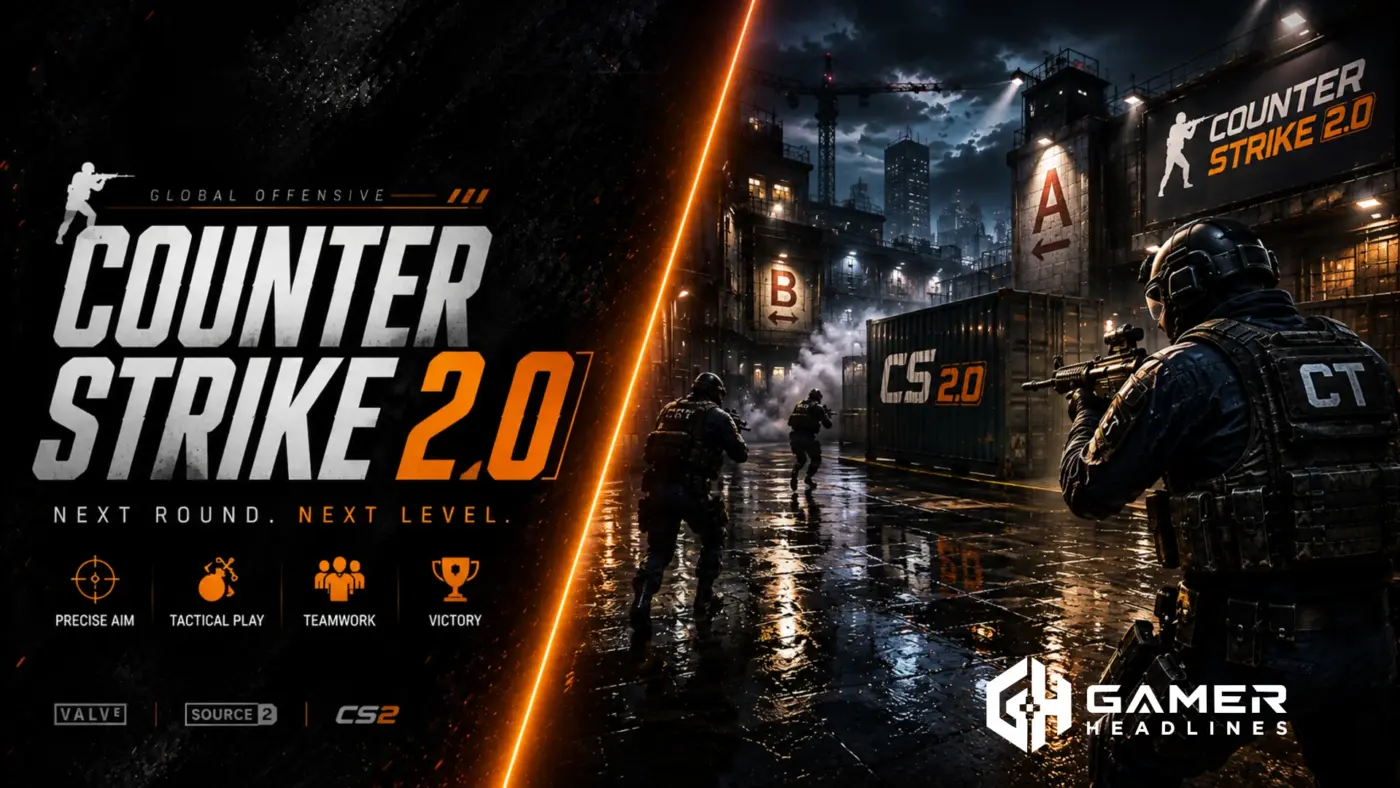
At IEM Cologne 2026, Valve quietly dismantled one of competitive Counter-Strike’s most reliable funding mechanisms. Instead of selling random sticker capsules during the Major, players now buy the exact sticker they want from a new token shop. The change, first highlighted in an Esports Insider report, replaces a system that has funneled millions of dollars into the pockets of professional players and organizations for over a decade.
The old capsule model functioned as a form of crowdfunding masked as a lottery. Fans would purchase capsules hoping to pull rare or autographed stickers, often buying dozens to complete a collection. A significant cut of that revenue went directly to the players and teams represented in the stickers. For many tier-two and even some tier-one organizations, Major sticker money was the difference between survival and collapse. Now, with the token shop, fans pay a flat price for a single sticker—no duplicates, no lottery, and no incentive to spend more than a few dollars. The financial consequences could be severe.
How the Sticker Economy Worked Before Cologne 2026
Since CS:GO’s first Major in 2013, sticker capsules were the beating heart of the esport’s financial ecosystem. Valve released a set of team and player-autographed stickers for each Major, sold as in-game capsules that contained random stickers. The community marketplace saw stickers become tradable commodities, and the scarcity of certain holos or foils drove enormous sales volumes. Through Steam, a portion of every capsule sale landed in the digital wallets of the players whose faces or autographs were inside. For a single Major, top players could earn six-figure sums just from sticker revenue.
This model also supported the broader infrastructure. Organizations used the money to pay salaries, fund boot camps, and invest in young talent. The random element—the chase for rare stickers—kept fans buying capsule after capsule, inflating the total revenue pool. Valve’s continued updates to Counter-Strike kept the competitive scene healthy, but the sticker economy was the financial backbone.
The Token Shop and Why It’s a Problem for Esports
The new system introduced at the Cologne Major gives each user a set number of tokens, which can be redeemed for any sticker—regular, glitter, holo, or gold—at a fixed rate. You pick the sticker, you get the sticker. It’s a consumer-friendly move that eliminates gambling mechanics and lets fans support their favorite players without wasting money on duplicates. But it also removes the financial multiplier that came from bulk buying.
Valve has not publicly released data on how the new revenue split will work, but teams are already bracing for a drastic drop in income. Without the random capsule economy, total sticker revenue will likely shrink. A smaller pie means smaller slices for the players and orgs that depended on it. The timing is especially brutal for CS2 organizations, many of which are still recovering from the financial turbulence of roster shuffles and tournament over-saturation. Some team owners have privately warned that the token shop could kill off mid-tier competitive Counter-Strike entirely.
GamerHeadlines Takeaway
Valve’s decision reflects a broader industry shift away from randomized monetization, a trend that makes sense for player protection but comes with real costs for esports infrastructure. The sticker capsule system was never perfect, but it created a symbiotic relationship between fans, players, and tournament organizers. A token shop removes the risk for consumers, but it also removes the reward that kept the scene afloat. Unless Valve introduces alternative funding streams—or reveals a surprisingly generous revenue share—this move could accelerate the contraction of an esports ecosystem that was already walking a financial tightrope.