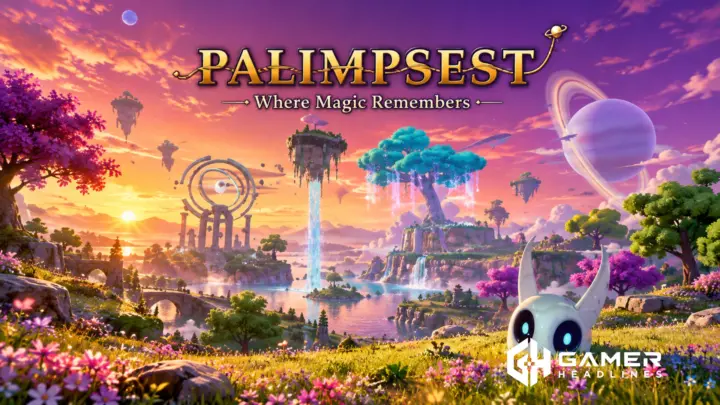
The esports community has entered what some are calling a witch hunt era over artificial intelligence. Any official art, announcement image, or graphic posted by game developers or organizations now routinely attracts accusations of AI generation, half the comments calling out supposed artifacts before discussing the actual content.
According to the original report, this obsession has reached a point where valuable discourse is being drowned out by finger-pointing over pixels.
Legitimate concerns about AI do exist. Generative tools can displace artists, and transparency about their use should matter to audiences. But the current environment has shifted toward a purity test that often mistakes actual artwork for machine output, damaging the credibility of creators and distracting from the structural issues that have plagued competitive gaming for years.
Hyperfocusing on whether a promo visual was machine-made does nothing for the shaky financial models many organizations operate under, the lack of stable revenue sharing, or the burnout of players grinding unsustainable schedules. And the witch hunts often burn the wrong people—smaller teams and freelancers who can’t afford the legal PR pushback larger companies use.
Real problems keep piling up behind the noise
One glance at major events shows where scrutiny should concentrate. The Esports World Cup moving to Paris this year while still facing questions over its Saudi funding is the kind of accountability discussion that gets sidelined when the timeline is filled with people arguing about AI shading in a header image.
Other regions have their own structural headaches. From tournament organizers struggling to pay prize money on time to leagues folding after a single season, the ecosystem remains brittle. Even a well-known brand like 100 Thieves entering the Call of Duty league was a reminder that diversification looks good on paper but is incredibly tough to execute without dedicated support structures.
The cost of mistrust on everyday creators
When every piece of visual content is put under a microscope, the chilling effect lands hardest on small shops and independent designers. For many, the cost of fighting a false AI accusation is a damaged reputation they can’t afford. That pushes them away from working with esports clients entirely, shrinking an already precarious creative market.
Developers and tournament hosts, meanwhile, may start opting for blander, safer assets to avoid online pile-ons, leading to a more homogenized visual identity across the industry. The fear of being labeled artificial stifles the exact human creativity critics claim to protect.
GamerHeadlines Takeaway
Calling out unethical AI use has its place, but the current pitchfork mentality in esports has become its own form of noise. The energy is better spent advocating for revenue transparency, talent protections, and sustainable infrastructure. Fixating on whether a picture was made by a human might feel righteous, but it’s not going to save the esports industry from its deeper, less pixelated problems.